
Rice and Pea Protein: A Perfect Amino Acid Match
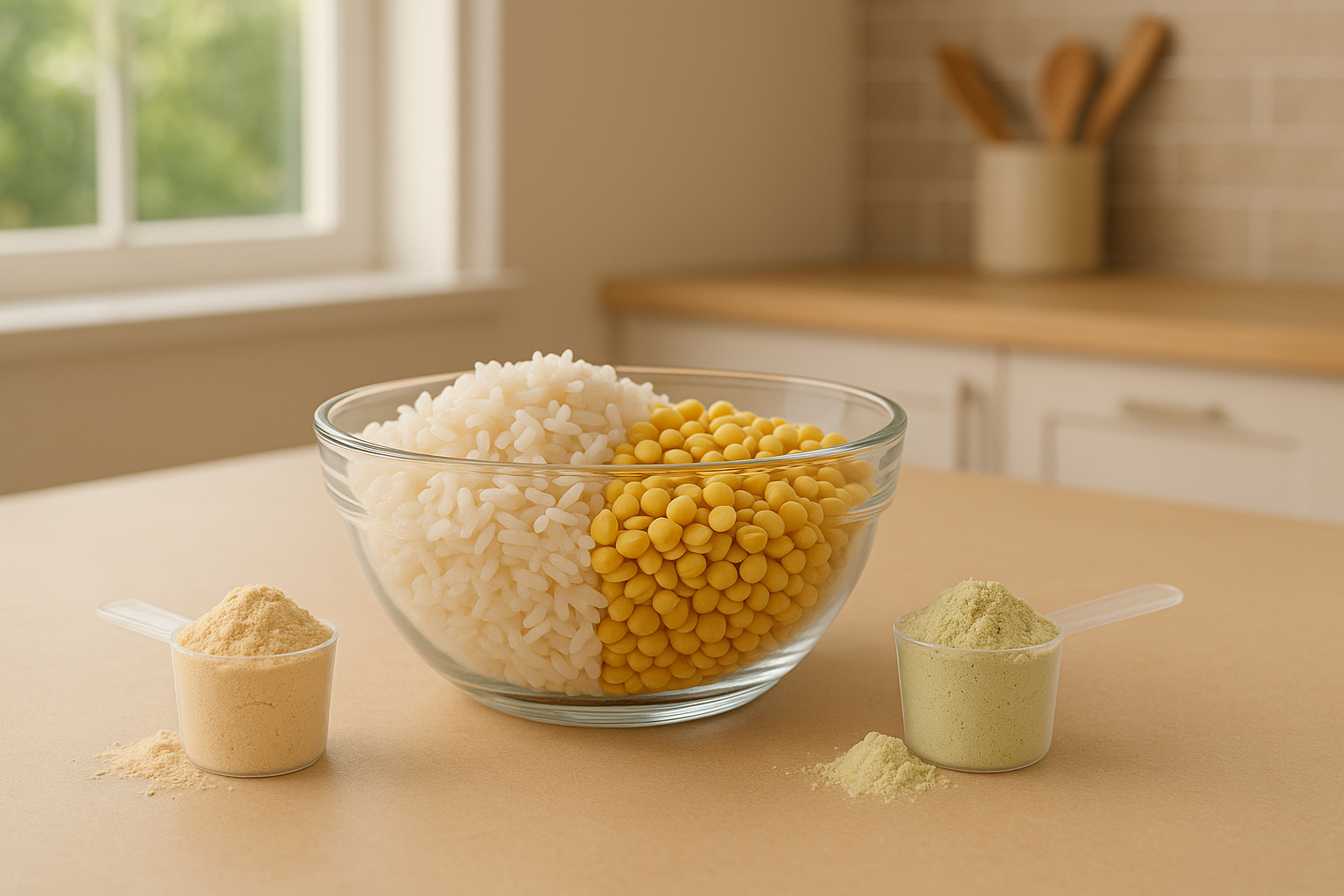
Looking for a plant-based protein that delivers on nutrition? Combining rice and pea proteins gives you a complete amino acid profile, rivaling animal-based options. Rice protein is rich in methionine and cysteine, while pea protein makes up for its lysine deficiency. Together, they support muscle growth, recovery, and overall health.
Here’s what makes this blend stand out:
- Complete Protein: Covers all nine essential amino acids.
- Allergen-Friendly: Free from dairy, gluten, and soy.
- Nutrient-Rich: Packed with vitamins, minerals, and BCAAs.
- Easy to Use: Works in shakes, smoothies, or recipes.
- Eco-Friendly Choice: Lower carbon footprint compared to animal proteins.
Whether you’re an athlete, managing dietary restrictions, or prefer plant-based nutrition, rice and pea protein blends offer a practical solution for your fitness and wellness goals.
Rice vs. Pea Protein Amino Acid Breakdown
Rice protein stands out for its high levels of sulfur amino acids - methionine (3.17 g/100g) and cysteine (2.4 g/100g) - and a biological value of 81, making it effective for muscle repair. However, it falls short in lysine content, offering just 3.4 g/100g. Sulfur amino acids play a key role in detoxification and muscle contraction, but the lack of lysine can limit immune function and protein synthesis.
On the other hand, pea protein makes up for rice protein’s lysine deficiency with 6.84 g/100g. While it excels in lysine, it contains less methionine (0.82 g/100g) and cysteine (0.85 g/100g), with a biological value of 65. Additionally, pea protein is a source of B-group vitamins and essential minerals like potassium, phosphorus, magnesium, and calcium.
When combined, these two proteins complement each other’s amino acid profiles, creating a more balanced nutritional profile:
| Amino Acid | Rice Protein (g/100g) | Pea Protein (g/100g) | Combined Benefit |
|---|---|---|---|
| Methionine | 3.17 | 0.82 | Rice bridges pea’s shortfall |
| Cysteine | 2.4 | 0.85 | Rice provides extra support |
| Lysine | 3.4 | 6.84 | Pea compensates for rice’s low lysine |
| Leucine | 8.3 | 8.72 | Both contribute significantly |
| Biological Value | 81 | 65 | Together, they balance protein utilization |
Both rice and pea proteins also deliver approximately 18% branched-chain amino acids (BCAAs), which are essential for muscle recovery and growth. By combining these two sources, you achieve a well-rounded amino acid profile that supports muscle health and aligns with fitness goals.
Health and Performance Benefits of Rice and Pea Protein Blends
Rice and pea protein blends pack a punch when it comes to health and performance benefits, all while catering to a variety of dietary preferences. This powerful combination not only promotes muscle growth and recovery thanks to its complete amino acid profile but also addresses broader wellness needs. Let’s break down how these proteins work together to boost performance and support overall health.
A Complete Protein for Muscle Growth
When it comes to muscle development, rice and pea proteins are a dynamic duo. Rice protein is rich in methionine, while pea protein brings lysine to the table. Together, they create a complete protein - something your body needs for muscle repair and growth. Research even shows that rice protein can build muscle just as effectively as whey protein when paired with resistance training. This makes the blend a game-changer for athletes and fitness enthusiasts.
Gentle on Digestion and Allergen-Friendly
One of the standout features of rice and pea proteins is how easy they are on the stomach. Both are highly digestible and free from common allergens like dairy, soy, and gluten, making them a smart choice for those with food sensitivities. Pea protein also has a natural thickening quality, which can help you feel fuller longer - perfect for anyone focused on weight management. That said, individuals with legume allergies should approach pea protein with caution.
Packed with Micronutrients
These proteins offer more than just amino acids - they’re also a great source of essential vitamins and minerals. Rice protein provides vitamins B and E, along with minerals like magnesium, calcium, iron, zinc, potassium, and phosphorus. Pea protein complements this with B-group vitamins and additional minerals, including potassium, phosphorus, magnesium, and calcium. Together, they deliver a well-rounded nutrient profile that supports energy production and aids recovery.
A Sustainable Protein Choice
Opting for rice and pea protein blends isn’t just good for your body - it’s good for the planet. Compared to animal-based proteins, these plant-based options have a much smaller carbon footprint and require fewer resources to produce. For environmentally conscious consumers, this makes them an excellent choice.
Perfect for Specialized Diets
Whether you’re following a plant-based diet or navigating food sensitivities, rice and pea protein blends are an excellent option. They typically contain 80–90% protein by weight, delivering around 15–22 grams of protein per 100-calorie serving. This makes it easier to meet your daily protein needs without compromising on dietary restrictions.
Boosting Performance and Recovery
For anyone hitting the gym regularly, the balanced amino acid profile of these protein blends is a game-changer. It ensures your muscles get the nutrients they need for repair and recovery. Brands like NutriFitt have even incorporated these blends into their supplements, offering scientifically designed products to support energy, recovery, and overall performance.
sbb-itb-7567710
How to Use Rice and Pea Protein in Your Fitness Routine
Rice and pea protein blends are a fantastic addition to a fitness-focused lifestyle, thanks to their complete amino acid profile and versatility. They can aid muscle recovery, help maintain consistent protein intake, and fit seamlessly into your daily nutrition plan. Here are some practical ways to include them in your routine:
Post-Workout Recovery Shakes
The 30–60 minute window after a workout is the perfect time to refuel and support muscle repair. Mix 20–25 grams of rice and pea protein with water or a milk alternative for a shake that’s easy to digest and packed with the amino acids your body needs. This option helps you recover without the heaviness that some other protein sources might cause.
Meal Replacement Smoothies
Busy day? Blend rice and pea protein into a smoothie with fruits, vegetables, and healthy fats like avocado or nut butter. With around 15–22 grams of protein per 100-calorie serving, it’s a great way to stay on track with your daily protein goals while enjoying a balanced, nutrient-rich meal replacement.
Add to Everyday Recipes
Thanks to their neutral flavor, rice and pea protein blends can be easily added to foods like oatmeal, pancake batter, or homemade energy bars. This makes it simple to boost the protein content of your favorite dishes - both sweet and savory - without compromising on taste.
Choose the Right Product
When buying a rice and pea protein blend, check the label to ensure both proteins are featured prominently. Look for products with minimal additives, a complete amino acid profile, and high-quality, non-GMO ingredients. A little label reading goes a long way in ensuring you’re getting the best nutritional value.
Pre-Workout Energy Boost
A small serving of rice and pea protein before your workout can provide a steady supply of amino acids and energy. This makes it a great light snack option, giving you the fuel you need for a vigorous session without feeling weighed down.
Focus on Quality and Science
Brands like NutriFitt emphasize high-quality, plant-based protein blends backed by research. When selecting a supplement, look for products that prioritize transparency and scientific evidence to ensure effective protein absorption and optimal nutrition.
Spread Protein Intake Throughout the Day
Incorporating rice and pea protein at different times - whether in the morning, as an afternoon snack, or with dinner - can help you consistently meet your protein goals. With blends containing 80–90% protein by weight, they’re a convenient way to add nutritional value without relying solely on whole foods.
Pros and Cons Comparison
The table below provides a side-by-side look at the benefits and limitations of rice protein, pea protein, and their combination.
| Protein Type | Pros | Cons |
|---|---|---|
| Rice Protein | Gluten-free and hypoallergenic; rich in methionine and cysteine for muscle support; biological value of 81; contains B and E vitamins, magnesium, calcium, iron, and zinc | Low in lysine; incomplete amino acid profile; bland taste may need flavoring |
| Pea Protein | High in lysine for muscle synthesis; supports weight management by promoting satiety; free from gluten, soy, and dairy; includes B vitamins and essential minerals | Lower levels of methionine and cysteine; may not suit those with legume allergies; taste can vary |
| Rice + Pea Blend | Complete amino acid profile; excellent for muscle recovery and growth; suits various dietary needs; easy to digest; studies show performance comparable to whey protein | Taste and texture depend on the manufacturer; often pricier than single-source proteins; potential legume sensitivity |
Rice protein is a solid option for those seeking a hypoallergenic, plant-based protein. It's rich in methionine and cysteine, which are important for muscle contraction and detoxification. However, its low lysine content makes it less effective as a standalone option for muscle building.
Pea protein, on the other hand, shines in its lysine content, which is crucial for muscle synthesis and immune support. It also helps with appetite control, making it a great choice for weight management. But, its lower levels of methionine and cysteine, along with potential issues for those with legume allergies, are worth noting.
When you combine rice and pea proteins, the result is a powerhouse blend with a complete amino acid profile. This combination enhances muscle recovery and growth, making it a standout choice for fitness enthusiasts. Plus, the blend is easy to digest and works well for vegans, vegetarians, and those avoiding gluten, while also being a more sustainable option compared to animal-based proteins.
Although single-source proteins like rice or pea might be more budget-friendly upfront, the nutritional balance and effectiveness of a rice and pea blend often make it worth the investment. Brands like NutriFitt focus on creating high-quality, scientifically balanced protein blends designed to optimize your fitness results.
Conclusion
The rice and pea protein blend stands out as an excellent option for those seeking a well-rounded, plant-based protein source. By combining rice protein's methionine with pea protein's lysine, this duo creates a complete amino acid profile that supports muscle growth and repair.
This blend offers several perks for active individuals. It promotes muscle recovery, aids in synthesis, and is gentle on the digestive system, making it a great choice for people with sensitivities. In fact, studies show that rice protein, when paired with resistance training, can be highly effective for building muscle.
For anyone managing food allergies, following a plant-based diet, or looking for versatile nutrition, this blend checks all the boxes. It’s vegan, gluten-free, and dairy-free - perfect for those with lactose intolerance, celiac disease, or plant-based preferences. A serving of 20–30 grams within 30–60 minutes after a workout delivers the nutrients needed for optimal recovery.
On top of that, choosing this blend aligns with environmentally conscious values. Plant-based proteins like these typically have a lower carbon footprint compared to animal-based options. With prices ranging from $20–$40 for a 2-pound container, it’s both affordable and high-quality - a win-win for performance and sustainability.
Whether you’re navigating dietary restrictions or prioritizing eco-friendly choices, the rice and pea protein blend offers a flexible and eco-conscious way to meet your nutritional needs.
FAQs
How do rice and pea proteins support muscle growth and recovery compared to whey protein?
Rice and pea proteins are fantastic plant-based options for those steering clear of whey protein, whether due to dietary needs like lactose intolerance or personal choices like veganism. While whey protein is valued for its complete amino acid profile and quick absorption, blending rice and pea proteins creates a balanced amino acid mix that supports muscle growth and recovery just as effectively.
Here’s how it works: rice protein is packed with cysteine and methionine, while pea protein brings lysine to the table - an essential amino acid that rice protein lacks. Together, they form a powerful duo, offering a complete protein source that aids muscle repair and aligns with your fitness goals. For anyone seeking a clean, plant-based alternative, this combination delivers results without compromise.
Are rice and pea protein blends safe for people with dietary restrictions?
Rice and pea protein blends are a solid choice for many, especially those navigating dietary restrictions. These blends are naturally free from common allergens like dairy, soy, and gluten, making them a go-to option for individuals with sensitivities or intolerances. Plus, since they’re plant-based, they’re ideal for vegans and vegetarians.
That said, if you have specific health concerns or allergies, it’s smart to take a closer look at the ingredient list. Consulting a healthcare professional before introducing any new supplement into your diet can help ensure it fits your personal dietary needs and health objectives.
What are the environmental advantages of choosing rice and pea protein instead of animal-based protein?
Rice and pea protein stand out as environmentally friendly alternatives to animal-based proteins. Growing plants for protein generally uses less water and land while emitting far fewer greenhouse gases compared to livestock farming.
Choosing rice and pea protein isn't just about meeting your fitness needs - it's also about supporting a greener, more sustainable food system. It's a choice that benefits both your health and the environment!
Latest Posts
How Ashwagandha Supports Testosterone Levels
10 Best Natural Pre-Workout Ingredients
Best Electrolyte Supplements for Fitness Goals

Best Nootropics for Productivity in 2026

Top 5 Sleep Hygiene Practices for Athletes
5 Best Pre-Workouts for Pump
The 30-Minute Body That Beats the 2-Hour One
Short, high-intensity 30-minute workouts can deliver equal or better cardio, strength, and fat-loss results than long sessions.
Checklist for Choosing Clean Label Certified Supplements
Checklist to verify certifications, ingredient transparency, batch COAs, GMP compliance, and bioavailable forms in clean-label supplements.