







Checklist: Choosing Sleep Nootropics
Struggling with poor sleep? Sleep nootropics might be the solution to help you rest better and wake up sharper. These supplements are designed to improve sleep quality without grogginess, making them ideal for fitness enthusiasts and anyone seeking better recovery and focus. But not all products are created equal - choosing the right one requires knowing what to look for.
Key Takeaways:
- Understand Your Sleep Needs: Identify issues like trouble falling asleep, staying asleep, or waking up tired.
- Look for Proven Ingredients: Examples include magnesium (200–400 mg), L-theanine (100–200 mg), and ashwagandha (300–600 mg).
- Check Labels for Transparency: Avoid proprietary blends; look for clear dosages and third-party testing.
- Avoid Stimulants: Steer clear of caffeine or similar ingredients in sleep formulas.
Quick Steps:
- Track Your Sleep: Identify patterns and challenges using a sleep diary or app.
- Review Ingredients: Match your needs to research-backed components like melatonin or chamomile.
- Assess Product Quality: Look for clear labeling, independent testing, and GMP compliance.
- Practice Good Sleep Habits: Combine nootropics with a consistent bedtime routine and a sleep-friendly environment.
Better sleep doesn’t happen overnight, but with the right supplement and habits, you’ll see improvements over time.
Key Ingredients to Look For in Sleep Nootropics
Science-Backed Ingredients
When picking a sleep nootropic, it’s important to look for formulas that include ingredients backed by clinical research for their sleep-supporting properties.
Melatonin plays a central role in regulating sleep. It aligns with your body’s natural circadian rhythm, signaling when it’s time to wind down. Research suggests that doses between 0.5–5 mg, taken 30–60 minutes before bed, can improve sleep onset. However, higher doses don’t necessarily offer added benefits and might even cause grogginess the next day.
For relaxation without drowsiness, L-theanine is a great option. It works by boosting alpha brain waves and balancing key neurotransmitters like GABA, serotonin, and dopamine. Doses of 100–200 mg help create a calm state, making it easier to fall asleep while promoting a clear mind when you wake up.
Magnesium is another important ingredient, supporting muscle relaxation and overall nervous system health. Specifically, forms like magnesium bisglycinate or magnesium L-threonate are better absorbed and are effective at doses of 200–400 mg.
GABA is known for calming brain activity by reducing neuronal excitability. Since its absorption can vary, combining it with L-theanine at doses of 100–200 mg can enhance its relaxing effects.
Herbal ingredients also play a role in promoting sleep. Valerian root (at 300–600 mg) offers mild sedative effects, while chamomile provides gentle relaxation. Additionally, 5-HTP supports serotonin production at doses of 50–200 mg, contributing to better sleep.
| Ingredient | Primary Function | Effective Dosage | Key Benefits |
|---|---|---|---|
| Melatonin | Regulates sleep cycles | 0.5–5 mg | Aids in sleep onset |
| L-Theanine | Promotes relaxation | 100–200 mg | Encourages calm alertness |
| Magnesium Bisglycinate | Muscle and nerve relaxation | 200–400 mg | Supports deep, restorative sleep |
| Ashwagandha | Reduces stress | 300–600 mg | Lowers cortisol levels |
| Valerian Root | Natural sedation | 300–600 mg | Provides traditional sleep support |
How to Read Proprietary Blends
In addition to choosing proven ingredients, it’s essential to look for transparent labeling. Proprietary blends can make it difficult to determine if you’re getting clinically effective doses since they only list the total weight of the blend without specifying individual ingredient amounts.
A 2025 consumer survey revealed that over 60% of U.S. nootropic users prefer products with clear labeling and third-party testing. Transparent ingredient lists allow you to verify research-backed dosages and help you avoid potential interactions with medications.
For example, clear labeling would list amounts like "Magnesium Bisglycinate 200 mg, L-Theanine 100 mg, Chamomile Extract 200 mg", instead of vague descriptions like "Relaxation Blend 500 mg."
Products with detailed ingredient amounts and high-quality extracts are often rated as the safest and most effective. Look for third-party testing certifications on labels to confirm ingredient purity and accuracy. This ensures you’re getting exactly what’s promised.
Also, steer clear of products making unrealistic claims like "guaranteed to cure insomnia overnight" or those containing stimulants like caffeine, which can disrupt sleep. The best sleep nootropics focus on well-researched active ingredients without unnecessary fillers that could reduce effectiveness or interfere with absorption.
For example, NutriFitt's SILENCE SLEEP AND RECOVERY formula highlights its premium ingredients and precise dosages. This science-first approach ensures users get reliable, effective sleep support without falling for flashy marketing gimmicks.
Checklist: Steps to Choose the Best Sleep Nootropic
Choosing the right sleep nootropic doesn't have to feel overwhelming. By following a structured approach, you can find a product that aligns with your unique sleep needs. Here's a practical guide to help you navigate the process.
Identify Your Sleep Problems
The first step is understanding what’s disrupting your sleep. Different issues call for different solutions, so start by pinpointing your specific challenges.
Track your sleep patterns for at least a week. Are you struggling to fall asleep (taking more than 30 minutes)? Do you wake up frequently during the night? Or do you feel tired even after a full night’s rest? Each scenario points to different underlying causes, which can be addressed with targeted nootropic ingredients.
For example, stress-related insomnia is common. If anxiety, work stress, or personal responsibilities keep you awake, you might benefit from nootropics with ingredients like ashwagandha, known for its ability to regulate cortisol levels.
Using a simple sleep diary or a tracking app can help clarify whether your issues are physiological - linked to your body’s rhythms - or psychological, tied to stress or mental activity. Once you’ve identified your sleep challenges, you’ll be better equipped to evaluate ingredient labels and formulations.
Check Ingredient Labels
Understanding your sleep needs is only half the battle. The next step is carefully reviewing product labels to ensure transparency and quality.
Look for products that list all active ingredients along with their exact dosages. For instance, a clear label might state: “L-Theanine 200 mg, Magnesium Bisglycinate 300 mg, Chamomile Extract 150 mg.” Avoid vague terms like "Sleep Support Blend", which don’t specify individual ingredient amounts. Transparency is key to ensuring the product contains effective doses.
Pay attention to how the ingredients align with your sleep goals. For example, melatonin is most effective when taken 30–60 minutes before bed, while magnesium might work best earlier in the evening. Products should make it clear whether they include fast- or slow-release ingredients for optimal timing.
Be cautious of products containing stimulants like caffeine, guarana, or green tea extract, as these can interfere with sleep. Similarly, avoid supplements with excessive fillers, artificial colors, or unnecessary additives that could cause discomfort or reduce absorption.
Finally, check the serving size. Some products require multiple capsules to reach the listed dosage, which might not be convenient for consistent use.
Look for Scientific Support and Testing
After confirming clear labels, it's time to dig into the science behind the ingredients. Evidence-based formulations are essential for ensuring effectiveness.
Research-backed ingredients should have strong scientific support. For example, clinical trials show that L-theanine can promote alpha brain wave activity, helping you fall asleep faster without grogginess the next morning. Magnesium is well-documented for its role in muscle relaxation and calming the nervous system. Ashwagandha has also been studied for its ability to lower cortisol and enhance sleep quality.
Third-party testing is equally important. Look for certifications from independent labs that verify the product’s purity, potency, and absence of contaminants. Companies that openly share testing results or certificates of analysis show confidence in their products.
While dietary supplements aren’t regulated as strictly as pharmaceuticals, choosing products made in FDA-approved, GMP-compliant facilities adds an extra layer of assurance. These standards ensure the supplements are manufactured under strict quality controls.
For example, NutriFitt emphasizes a science-driven approach, stating that "every product we develop is formulated using real science to ensure the highest quality and effectiveness available”. This kind of transparency and commitment to research-backed formulations can give you confidence in your choice.
Lastly, go for brands that provide detailed information about ingredient sourcing, extraction methods, and quality standards. Many premium products use patented ingredient forms - like specialized magnesium chelates or standardized herbal extracts - that are designed for better absorption and proven effectiveness.
sbb-itb-7567710
What to Avoid When Choosing Sleep Nootropics
When it comes to picking the right sleep nootropic, knowing what to steer clear of is just as important as knowing what to look for. Some products rely on flashy marketing or questionable formulations that can leave you with less-than-ideal results - or even unwanted side effects. Let’s dig into the key red flags to watch out for.
Stay Away from Products with Hidden Ingredient Amounts
One major red flag in the supplement world is the use of proprietary blends. These blends lump multiple ingredients together under a single total weight without disclosing how much of each ingredient is included. For example, a label might list a "Sleep Support Blend" with a total weight of 500 mg, but you’ll have no idea how much of each active component - like melatonin or valerian root - is actually in there.
This lack of transparency makes it impossible to determine whether the supplement contains effective or safe dosages. Industry guidelines emphasize the importance of full disclosure to ensure both safety and efficacy. Always go for products that clearly list the exact dosage of each ingredient, allowing you to compare them against evidence-based recommendations.
A 2022 review brought this issue into focus when researchers found that many popular sleep supplements using proprietary blends had undisclosed levels of melatonin and other active ingredients. This led to inconsistent results and, in some cases, side effects like morning grogginess or headaches. Transparency matters - don’t settle for anything less.
Be Skeptical of Unrealistic Claims
Some products rely on bold, over-the-top promises to grab your attention, but these claims often mask poor-quality formulations. No supplement can guarantee instant or flawless sleep. Watch out for phrases like "fall asleep instantly", "wake up refreshed without any effort", or "clinically proven to cure insomnia overnight. These are rarely backed by science and usually signal that marketing is prioritized over substance.
Improving sleep takes time and often involves building healthier habits alongside supplementation. Look for products that make modest, evidence-based claims, such as "may help promote relaxation" or "supports healthy sleep patterns." Reputable manufacturers often reference clinical studies to back up their claims, which is a good sign of quality and trustworthiness.
Avoid Stimulants in Sleep Formulas
Beyond misleading labels and exaggerated promises, certain ingredients can directly interfere with your sleep. Stimulants like caffeine, synephrine, guarana, and green tea extracts (unless decaffeinated) are major culprits. Caffeine, for example, blocks the adenosine receptors in your brain that signal it’s time to sleep, often leading to insomnia, restlessness, or disrupted sleep cycles.
Always check the ingredient list for any stimulants and choose products that are explicitly labeled as "caffeine-free." Keep in mind that some companies, like NutriFitt, specialize in fitness supplements, which often include stimulants for energy and performance. Make sure the sleep aid you’re considering is specifically designed to support restful sleep without any ingredients that might keep you awake. Your goal is better sleep, not more tossing and turning.
How to Use Sleep Nootropics Effectively
After choosing a sleep nootropic, how you use it can make all the difference. Pairing proper usage with healthy sleep habits can help you get the most out of your supplement and improve your overall sleep quality. Here’s how to do it right.
Timing and Dosage
To get the best results, take your sleep nootropics 30–60 minutes before bedtime. This timing allows your body to absorb the supplement and start working when you need it most. For instance, magnesium bisglycinate is often taken in the evening, while L-theanine works well right before bed to encourage relaxation without making you feel overly drowsy.
Always stick to the dosage recommended on the product label or follow your healthcare provider's advice. For example, in the United States, experts suggest adults limit supplemental magnesium intake to no more than 350 mg daily. Starting with the lowest effective dose is a smart move; it helps you see how your body responds and reduces the chance of side effects. Timing and dosage are the building blocks of effective and safe use.
Be Consistent and Patient
Consistency matters. Many sleep nootropics take time to show their full effects, especially natural ones. Depending on the ingredient and your body's response, it might take anywhere from a few days to a few weeks of regular use to notice significant improvements.
A sleep journal can be a helpful tool during this process. Track details like your bedtime, wake time, how rested you feel, and any changes in sleep quality. You can also use sleep tracking apps or devices to monitor your progress. If your sleep issues stem from a deficiency, give the supplement at least 2–3 weeks of regular use before deciding if it’s working for you. Pairing this consistency with healthy sleep habits will amplify the benefits.
Practice Good Sleep Habits
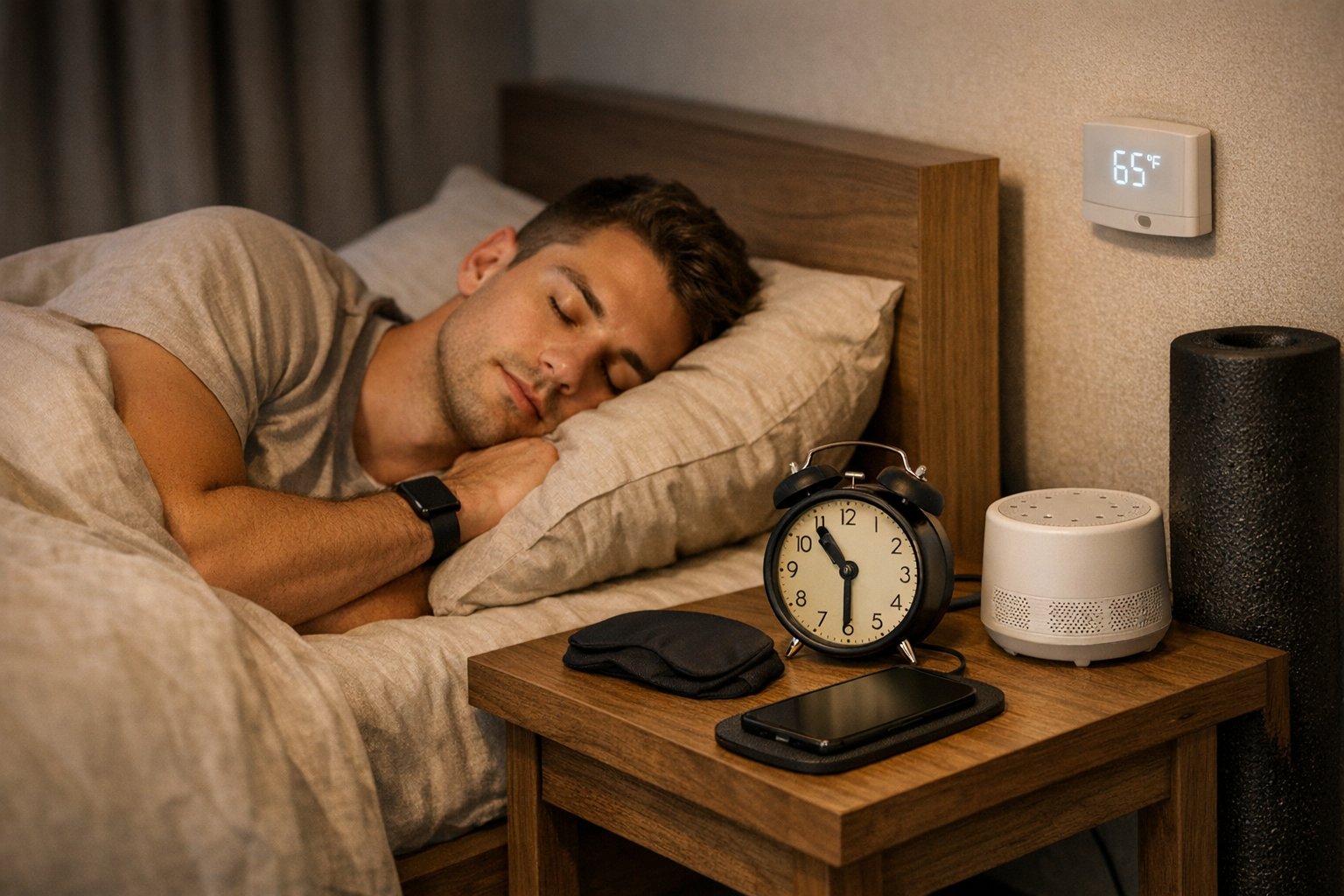
Sleep nootropics work best when combined with habits that naturally support your sleep cycle. Start by creating the ideal sleep environment - keep your bedroom dark, quiet, and cool, ideally between 65–70°F. Use blackout curtains or an eye mask to block out light, and consider a white noise machine or earplugs to reduce noise distractions.
Stick to a regular sleep schedule, going to bed and waking up at the same time every day. This helps regulate your internal clock. Avoid screens for at least 30 minutes before bed, as blue light disrupts melatonin production. Instead, unwind with activities like reading, light stretching, or relaxation exercises.
If you’re trying multiple nootropics, begin with just one. This approach makes it easier to understand how each supplement affects you and helps you avoid potential interactions between different ingredients.
Conclusion: Your Path to Better Sleep
Getting quality sleep is essential for performing at your best. When it comes to selecting the right sleep nootropic, focus on ingredient quality, product transparency, and your individual sleep needs. These three factors create a straightforward guide to help you make the best choice.
Look for supplements that include well-researched ingredients like magnesium bisglycinate, L-theanine, or ashwagandha. These ingredients are backed by science and shown to be effective, unlike fillers or unproven substances that can waste your money - or worse, harm your health.
Transparency matters. Companies that clearly list all ingredients and their exact amounts make it easier for you to evaluate safety and compare products. Be cautious of proprietary blends, which often hide ingredient amounts and may include cheap fillers or potentially harmful substances.
Choose a supplement that addresses your specific sleep challenges. If falling asleep is your main issue, ingredients like L-theanine or natural melatonin sources (such as Montmorency tart cherry) can help. For those who wake up frequently during the night, magnesium might be a better option. There’s no universal solution, so take the time to understand your unique needs.
Always check product labels carefully, consult with a healthcare provider if needed, and start with one supplement to see how it affects you. Keep in mind that these supplements often require consistent use over several days or even weeks to deliver noticeable benefits. Tracking your progress with a sleep journal can also help you monitor improvements.
Better sleep fuels better recovery, sharper focus, and overall well-being. By prioritizing high-quality ingredients, transparent labeling, and your personal sleep needs, you're not just buying a supplement - you’re making an investment in your health and performance. Pair your chosen nootropic with good sleep habits, stay consistent, and watch the results unfold over time.
FAQs
How can I choose the right sleep nootropic for my needs?
Choosing the right sleep nootropic starts with understanding your unique sleep needs. Are you struggling to fall asleep quickly, stay asleep through the night, or simply looking to feel more relaxed before bed? Pinpointing your specific challenges can help guide your decision.
When evaluating options, focus on supplements that include well-researched ingredients. For example, melatonin can help regulate your sleep-wake cycle, L-theanine is known for its calming properties, and magnesium may assist with muscle relaxation and easing stress. Be sure to review the product label for clear ingredient lists, proper dosage guidelines, and any potential allergens.
If you’re dealing with ongoing sleep issues or taking other medications, it’s a good idea to consult a healthcare professional. They can help ensure the nootropic you choose is both safe and effective for your situation.
Why should you avoid proprietary blends when choosing sleep nootropics?
Proprietary blends in supplements often obscure the precise amounts of each ingredient, leaving you unsure about what you're actually consuming. This lack of clarity can make it harder to determine if the product includes enough of the essential ingredients needed to support sleep and relaxation effectively.
Opting for nootropics with clearly listed ingredients and dosages ensures you know exactly what you're taking. This transparency not only helps you confirm the safety and effectiveness of each component but also empowers you to choose a product that truly aligns with your personal goals and needs.
Why is third-party testing important for the quality and effectiveness of sleep nootropics?
Third-party testing plays a key role in ensuring sleep nootropics are safe, effective, and made with high-quality ingredients. These independent tests confirm that the product contains exactly what's listed on the label and is free from harmful substances like heavy metals or pesticides.
When you opt for supplements that have been independently tested, you're making a more informed choice. It adds a layer of trust and reliability, giving you peace of mind that the product aligns with your sleep and relaxation goals. Always check for certifications or lab reports when selecting supplements to ensure you're getting something dependable.
Latest Posts

How Ashwagandha Supports Testosterone Levels

10 Best Natural Pre-Workout Ingredients

Best Electrolyte Supplements for Fitness Goals

Best Nootropics for Productivity in 2026
Top 5 Sleep Hygiene Practices for Athletes

5 Best Pre-Workouts for Pump

The 30-Minute Body That Beats the 2-Hour One
Short, high-intensity 30-minute workouts can deliver equal or better cardio, strength, and fat-loss results than long sessions.

Checklist for Choosing Clean Label Certified Supplements
Checklist to verify certifications, ingredient transparency, batch COAs, GMP compliance, and bioavailable forms in clean-label supplements.